Pelvic Healthe Advance
advanced level
An advanced course for physiotherapists who have completed DNS Pelvic Health Basic and want to expand their skills in pelvic floor rehabilitation and women's health. Led by Martina Ježková, the programme consists of two modules covering pelvic organ dysfunction, fertility-related concerns, physiotherapy during pregnancy, preparation for childbirth and postpartum rehabilitation.
About course
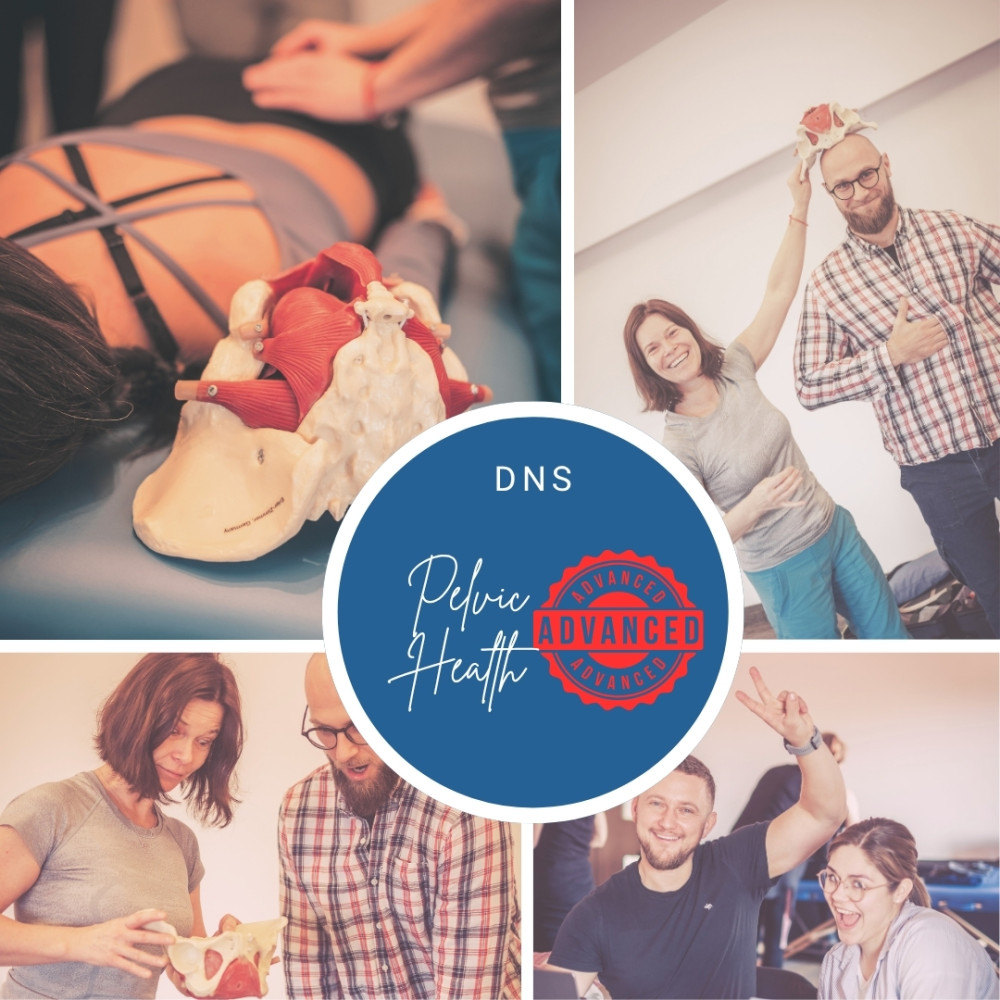
Two patients report pelvic pain. One has experienced pain during sexual intercourse for an extended period, while the other is dealing with symptoms following childbirth. Although their symptoms may be similar, their clinical circumstances and therapeutic needs can differ significantly.
How can you integrate the assessment of pelvic floor function, pelvic organs, breathing and postural control to make informed treatment decisions?
DNS Pelvic Health Advanced builds on the knowledge and skills acquired during the basic course, extending them to more complex areas of pelvic health rehabilitation.
The first part of the programme focuses on pelvic organ dysfunction, selected manual and visceral techniques, and therapeutic exercises. It also explores functional aspects of fertility-related difficulties, incorporating the approach developed by Ludmila Mojžíšová alongside DNS principles.
The second part addresses the changes occurring in a woman's body during pregnancy, preparation for childbirth and postpartum recovery.
You will learn to adapt exercises to the patient's changing needs, taking into account trunk stabilisation, breathing, pelvic floor function, diastasis recti abdominis and scar management.
The course consists of two two-day modules — WH2 and WH3. Led by Martina Ježková, the training combines clinical case analysis, demonstrations and advanced hands-on practice.
The aim of the course is to develop individualised rehabilitation planning skills for more complex clinical cases, integrating functional assessment, manual techniques and exercises based on DNS principles.
Modules
- Module II i III
Module II i III
WH 2
focus on functional sterility and visceral mobilization of pelvic organs
Review
of basic DNS principles, anatomy of pelvic floor organs and kinesiology ofpelvic floor.
Manualvisceral techniques and self treatment exerciese for urinary bladder andpatients with incontinence, dyspareunie, urinary bladder ptosis, frequent
inflamation of urinary tract.
Manual visceral techniques and self treatment exerciese for patients with constipation, Levator Ani syndrome
Manual visceral techniques and self treatment exerciese for fallopian tubes and ovaries, for patients with vaginismus, vulvodynia and dysmenorrhea.
Neutral position of the chest and pelvis.
Physiological function of diaphragm, describtion of stereotype of respiration
Physiological function of pelvic floor muscles and reproductive organs
Functional sterility and its typical characteristic and neurophysiological consequences
Introduction of Ludmila Mojzisova work, researches presentation
Clinical assesment of posture and basic movement stereotypes
Active exercises based on Ludmila Mojzisova koncept and DNS neurophysiological principles for patients with functional sterility
DNS based mobilization techniques of spine, ribs and pelvis.
Respirationstechniques for activation IAP , pelvic floor muscles and for mobilization of internal organs.
Treatmentprotocol for patients with functional sterility
WH 3
focused on pregnancy, labour and postpartum period
Review of basic DNS principles, anatomy of pelvic floor organs and kinesiology of pelvic floor.
Specific group exercise for patients with PF dysfunction
Physiological changes and physical activity during pregnancy from a view of Physiotherapist.
Treatment protocol of postural locomotion systém during pregnancy. Preparation for labor and prevention of birth trauma from a view of Physiotherapist
Exercise for the 1st, 2nd and 3rd period of labor
Specific group exercise for pregnant patients
Postpartum treatment protocol and physical activity. Pelvic floor care.
Scar management. Soft tissue, “active
scar” treatment using barrier phenomenon according to Lewit
Treatment for Diastesis recti.
Specific group exercise for postpartum period
Basic principles of physiological baby handling